
As a pelvic health specialist who has spent over a decade helping people manage pain, tension, and sexual wellness challenges, I’ve watched vibrators evolve from simple devices into tools that genuinely support physical and emotional wellbeing. In 2026, the focus has shifted even more toward body-safe materials, intuitive shapes, and vibration Top-rated vibrators for wellness in 2026 patterns designed with the nervous system in mind. My recommendations come from years of working with patients whose relationships with their bodies were shaped by stress, childbirth, pain conditions, or prolonged disconnection.
The first time I introduced a vibrator in a clinical context was with a patient recovering from pelvic trauma. She felt intimidated by anything related to sexual stimulation, but we reframed it as a self-awareness and muscle-relaxation tool. A month later, she told me she had finally felt a sense of relief in muscles that had been clenched for years. Experiences like hers reshaped how I integrate vibrators into wellness conversations.
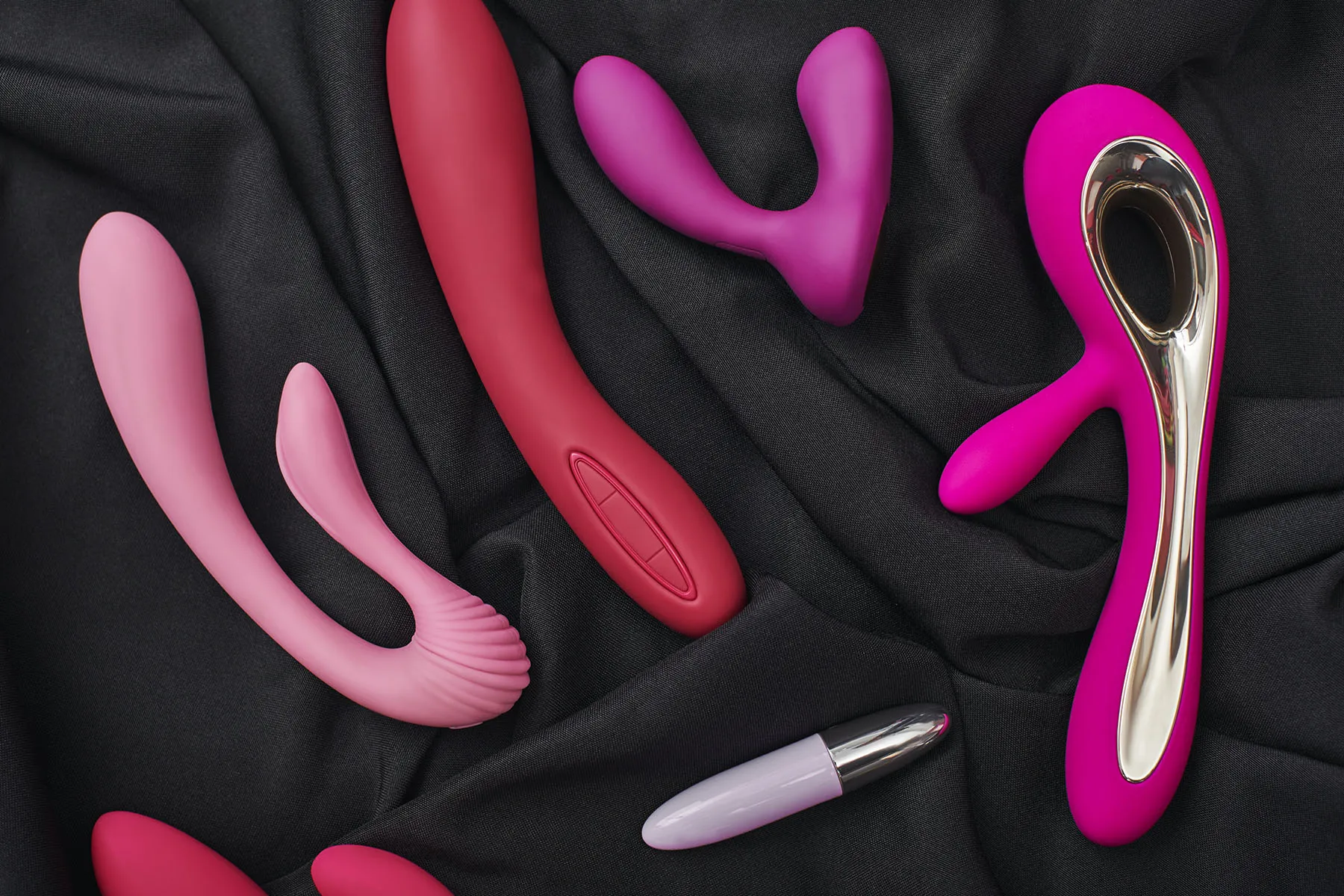
By 2026, a few standout styles consistently support better physical comfort, emotional grounding, and more confident engagement with pleasure.
Why Vibrators Have Become Core Wellness Tools
I’ve treated many people who carry tension in their pelvic floor without realizing it. Others lose access to pleasure after childbirth or medical treatment, only to feel discouraged when arousal doesn’t return instantly. Vibration offers something simple yet profound: predictable, soothing stimulation that helps retrain the nervous system.
A client last spring who had been dealing with stress-related numbness described her new vibrator as “a reminder that my body still works.” Another patient recovering from a long illness said vibration helped her reconnect with sensation gradually and without pressure. These stories aren’t unusual—vibrators offer consistency that hands or partners sometimes can’t, especially during healing.
Vibrators That Stand Out for Wellness in 2026
High-Flex Wands for Muscle Release and Body Awareness
Wand vibrators have been around for decades, but the 2026 models I’ve used in my practice are lighter, quieter, and more flexible. The best ones deliver deep, even vibration without the harsh buzzing earlier models were known for. They’re ideal for patients with chronic pelvic tension, hip tightness, or lower abdominal discomfort.
One patient recovering from a strenuous postpartum period used a wand nightly on her hips and inner thighs—not for sexual pleasure, but for releasing tension she had been carrying since giving birth. Over time, her body softened enough that she finally felt comfortable exploring pleasure again. That shift didn’t happen in the clinic; it happened in quiet moments at home with a tool she trusted.
I tend to recommend these wands to people whose muscles feel “stuck,” especially those who’ve tried stretching or manual therapy without much progress.
Precision Bullets for Sensation Training and Emotional Grounding
Bullets remain one of my go-to suggestions for beginners or clients who feel overwhelmed physically or emotionally. The top models in 2026 have smoother casings, broader vibration ranges, and motors that maintain consistency at low intensities.
A woman I worked with after a difficult breakup used her bullet during grounding routines—holding it against the back of her hand or thigh before using it anywhere more intimate. She told me it helped her “feel present again” after months of dissociation. These small steps are exactly what many clients need before they’re ready to pursue pleasure.
Bullets are also useful for sensation training. For clients with reduced sensitivity, they provide gentle, targeted stimulation that helps the brain rebuild sensory mapping.
Slim, Soft Internal Vibrators for Rebuilding Comfort with Penetration
Not all internal vibrators deserve wellness claims, but the best ones in 2026 are thoughtfully designed—flexible necks, soft silicone, and steady vibration instead of distracting patterns. I use them with patients who are working through vaginismus, postpartum scarring, medical trauma, or simple discomfort with penetration.
Earlier this year, a patient who hadn’t felt comfortable with penetration in years began using a slim internal model during her relaxation exercises. She controlled depth and pressure herself, slowly decreasing her body’s instinctive clenching. Two months later, she told me she felt emotionally ready to be intimate with her partner again. That readiness came not from pressure, but from practicing on her own schedule.
These devices support autonomy, which is often the missing piece in sexual wellness.
Mistakes I See People Make with Wellness Vibrators
Experience has shown me clear patterns in how people approach vibrators for the first time.
Many choose devices that are far too intense. The assumption is that stronger equals better, but high-intensity vibration can overwhelm the nervous system, shutting sensation down rather than awakening it. I lean toward recommending low to medium intensity tools with fine control.
Others skip warm-up entirely. Muscles respond very differently when cold, and I’ve seen clients experience discomfort simply because they didn’t take a few minutes to breathe, stretch, or place a warm compress on the area first.
Cheap vibrators remain one of the biggest problems. Poorly engineered motors create “hot spots” in the vibration, which irritates tissue rather than soothing it. More than one person has abandoned self-care after a bad experience with a low-quality device.
How I Help Patients Choose the Right Tool
I always ask what they hope to feel. Relaxation? Sensation? Curiosity? Confidence? The best vibrator is the one that supports their emotional state as much as their physical one.
For tension, I steer people toward flexible wands.
For grounding or reawakening sensation, bullets tend to work best.
For rebuilding comfort with penetration, soft internal models make the biggest difference.
Beyond function, I pay attention to whether a person feels comfortable with the tool. If they feel intimidated, it will likely stay in a drawer. The right vibrator should feel like a partner in their wellness, not a challenge to overcome.
Vibrators in 2026 aren’t just about pleasure—they’re about restoring balance, deepening self-awareness, and giving people tools that support healing in their own time. I’ve seen them rebuild confidence, reduce pain, and help patients rediscover parts of themselves they thought they had lost.